Second Wave of Milan
Size: 48 × 84 inches (4 × 7 feet)
Medium: Oil on canvas
Status: SOLD
Description:
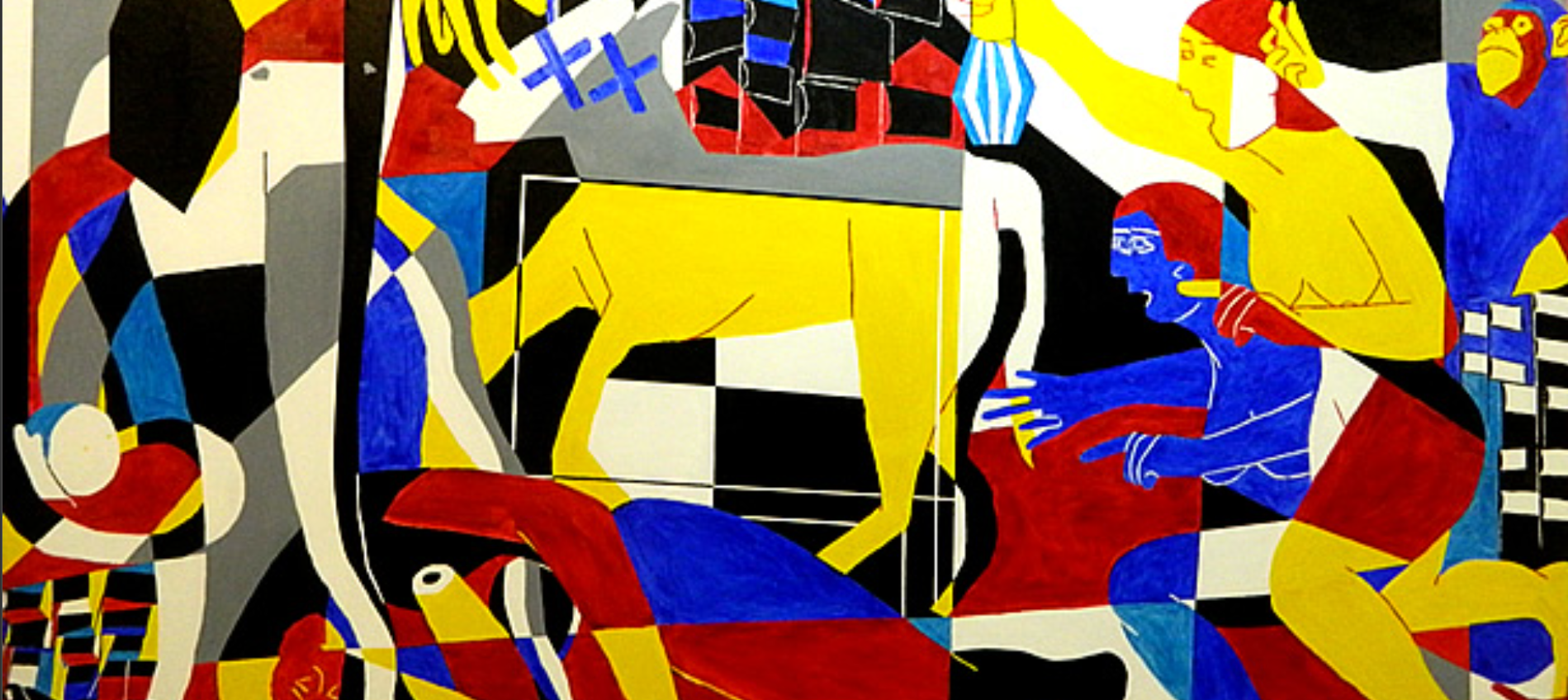
Second Wave of Milan is the largest canvas I have ever worked on. Although the painting took approximately one month of active painting to complete, the entire process took nearly three years because I set the work aside for an extended period before returning to it.
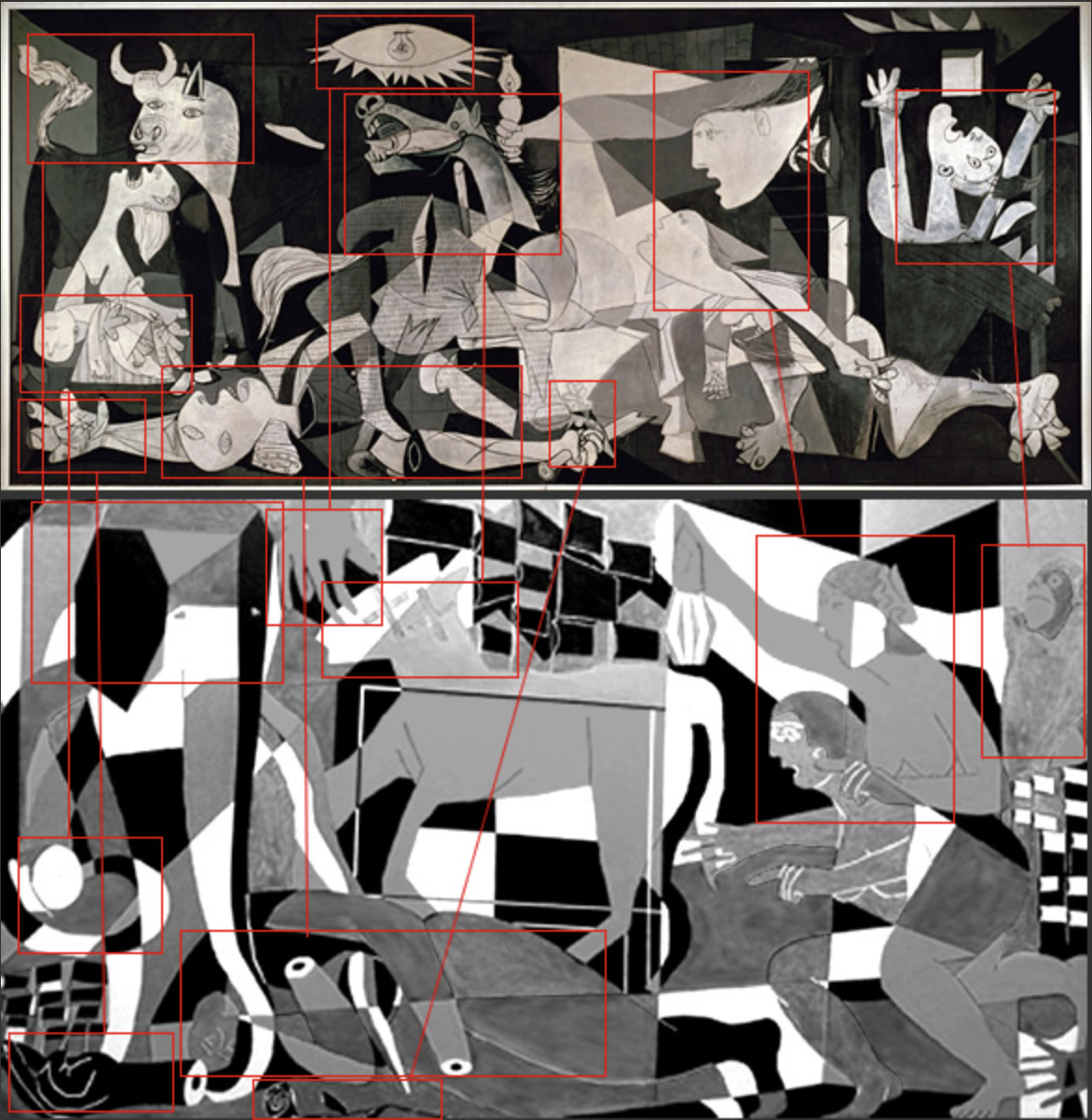
Inspired by Pablo Picasso’s Guernica, this painting addresses the historical and ongoing impact of the Milan 1880 Congress, when sign language was rejected in favor of oral education for Deaf children. The painting follows this history forward to the International Congress on Education of the Deaf (ICED) held in Vancouver, Canada, in July 2010. At that congress, the organization formally expressed regret for the harm caused by the resolutions of the 1880 Milan Congress and rejected those resolutions.
It took approximately 130 years for the international Deaf education community to acknowledge and reject the legacy of Milan 1880. Many Deaf people who suffered under oralist systems did not live long enough to witness this change.
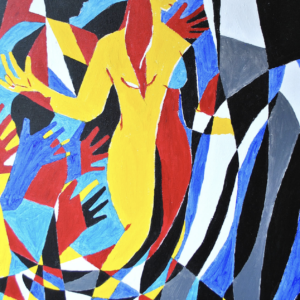
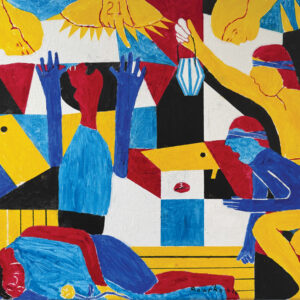
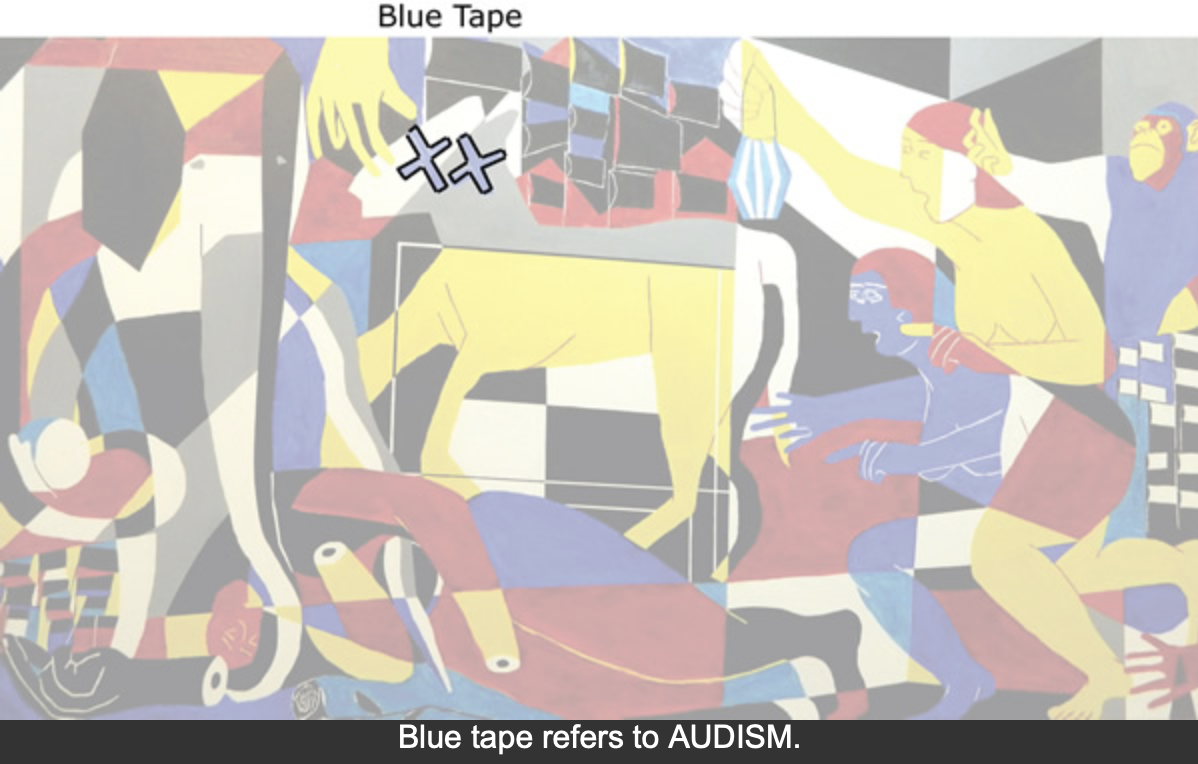
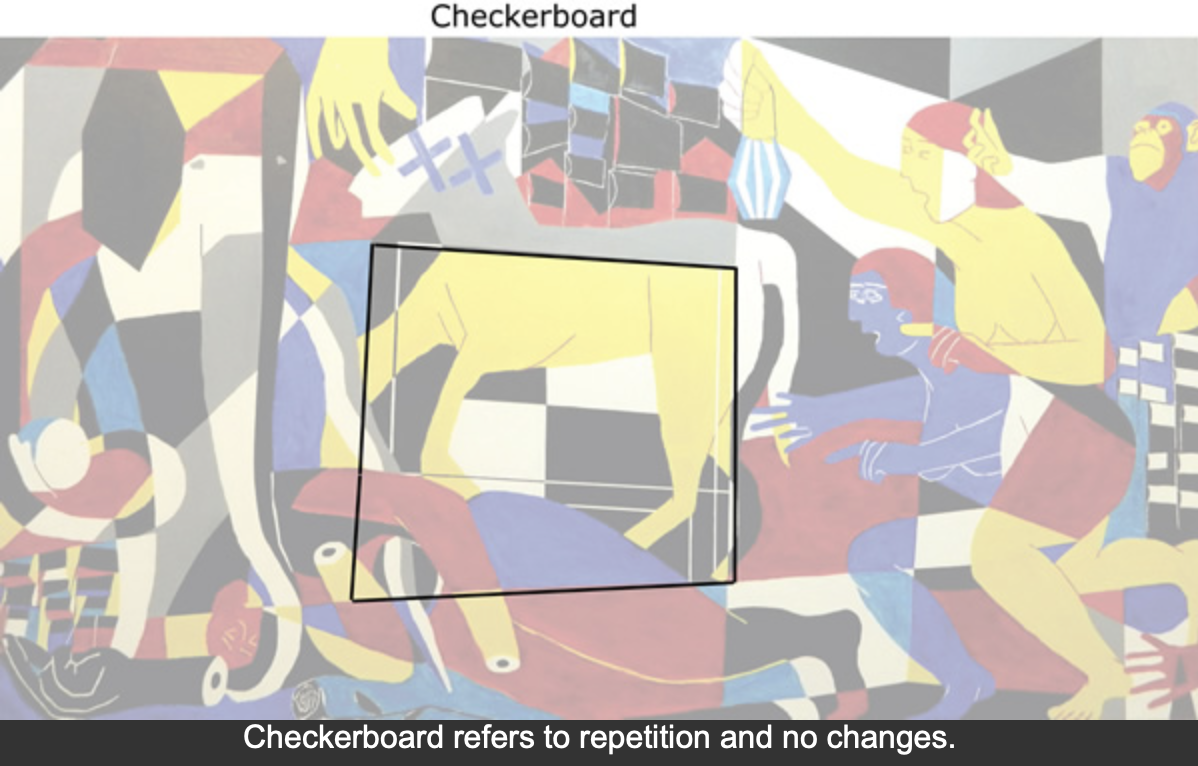
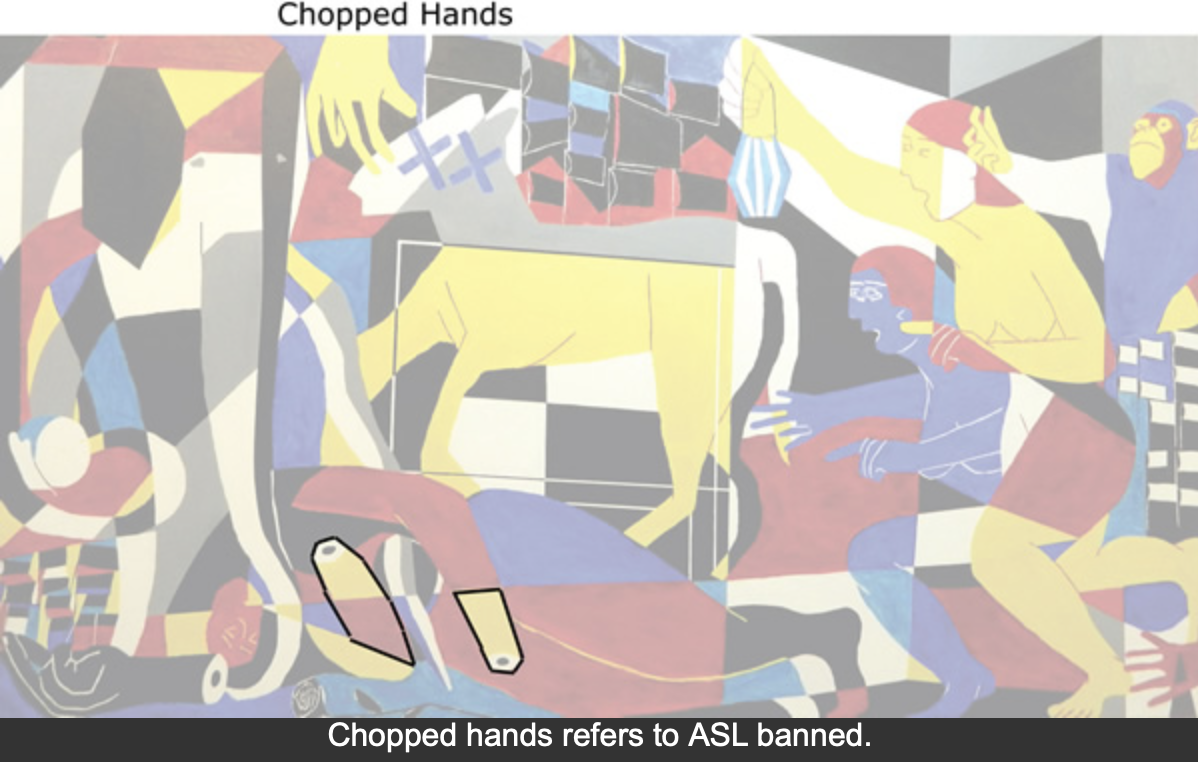
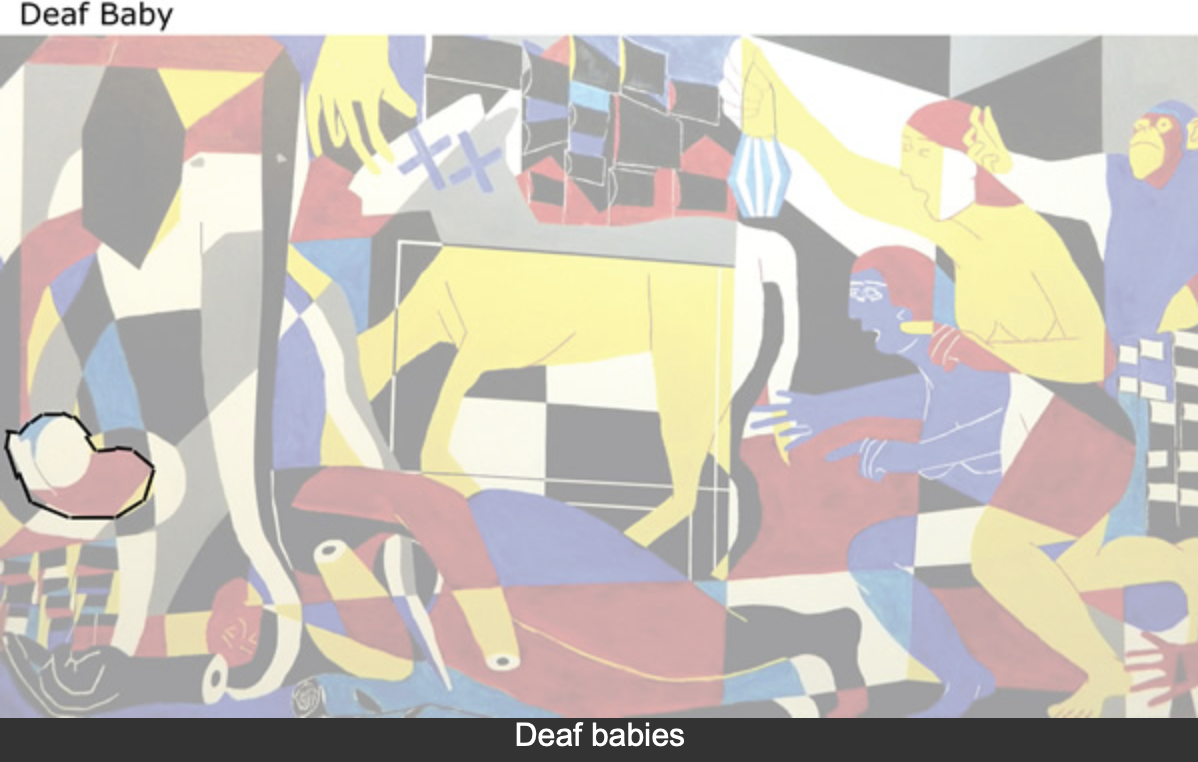
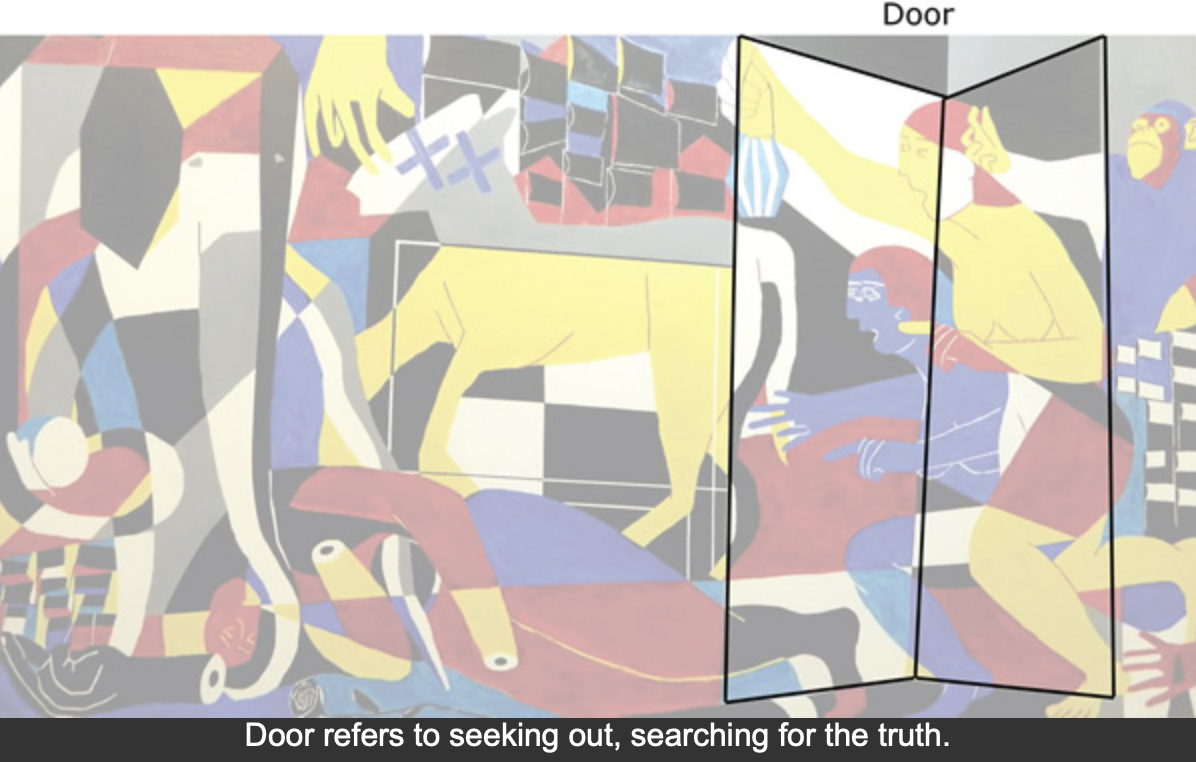
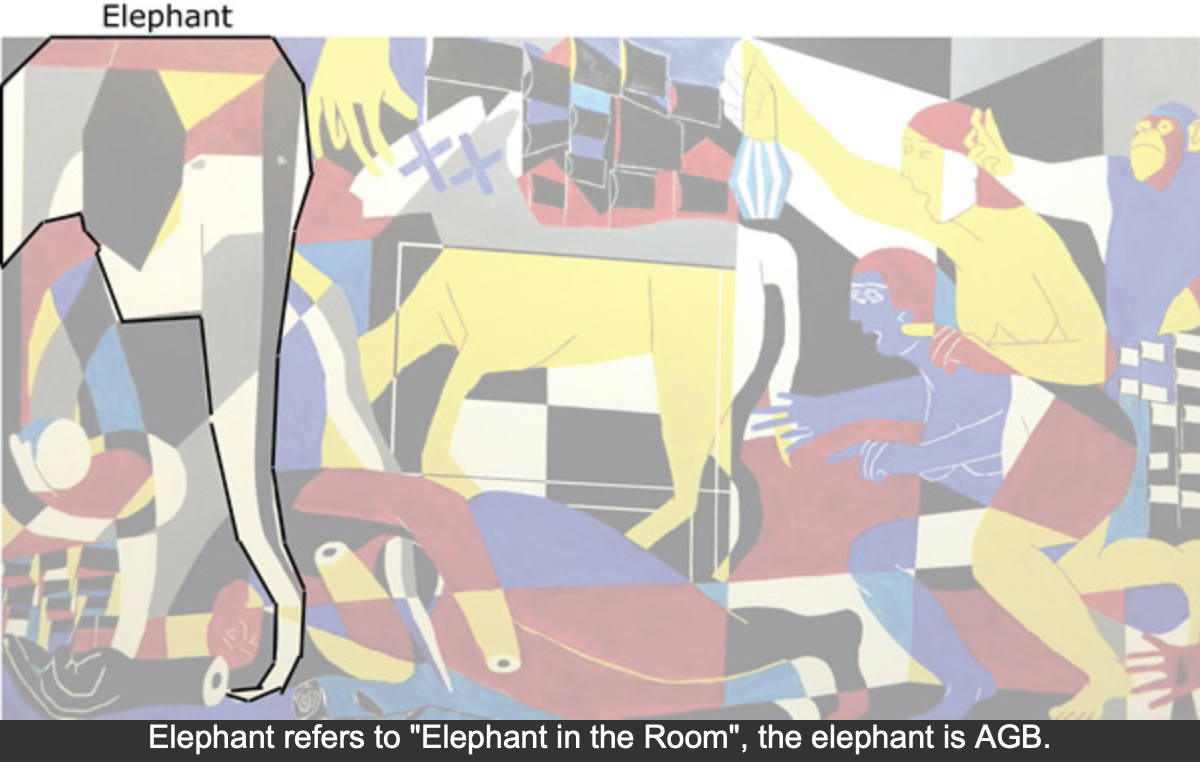
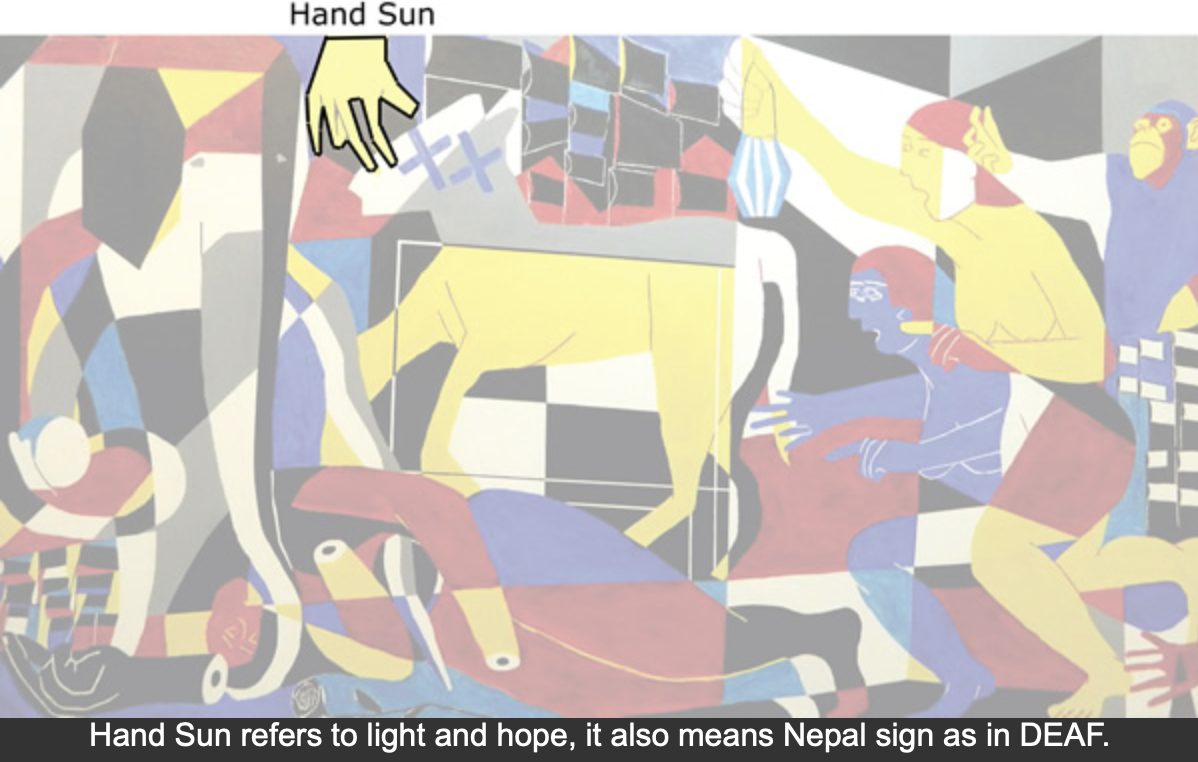
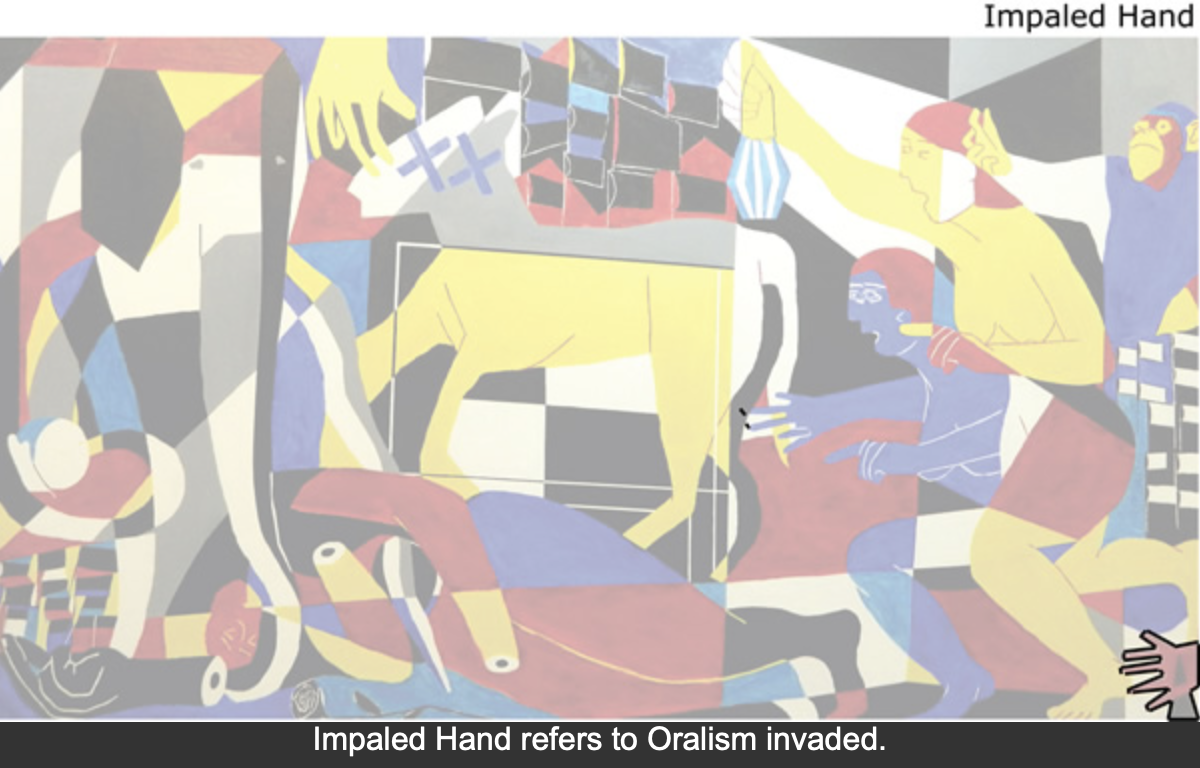
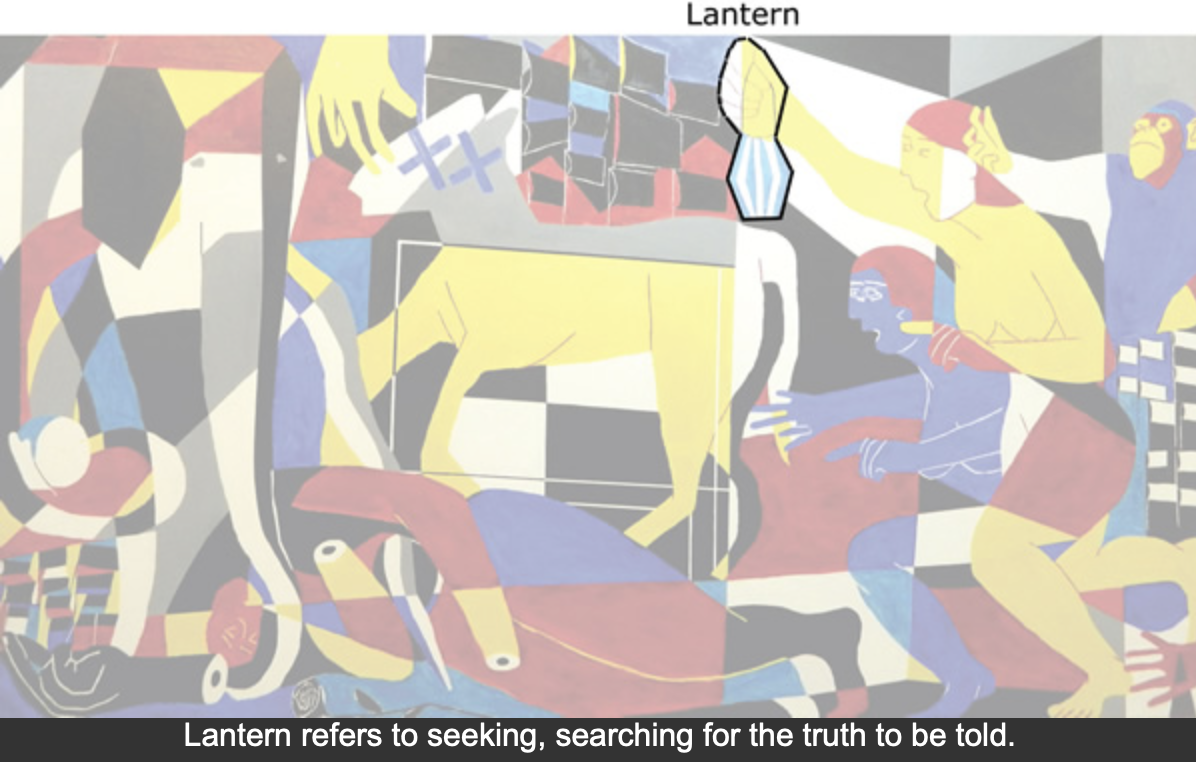
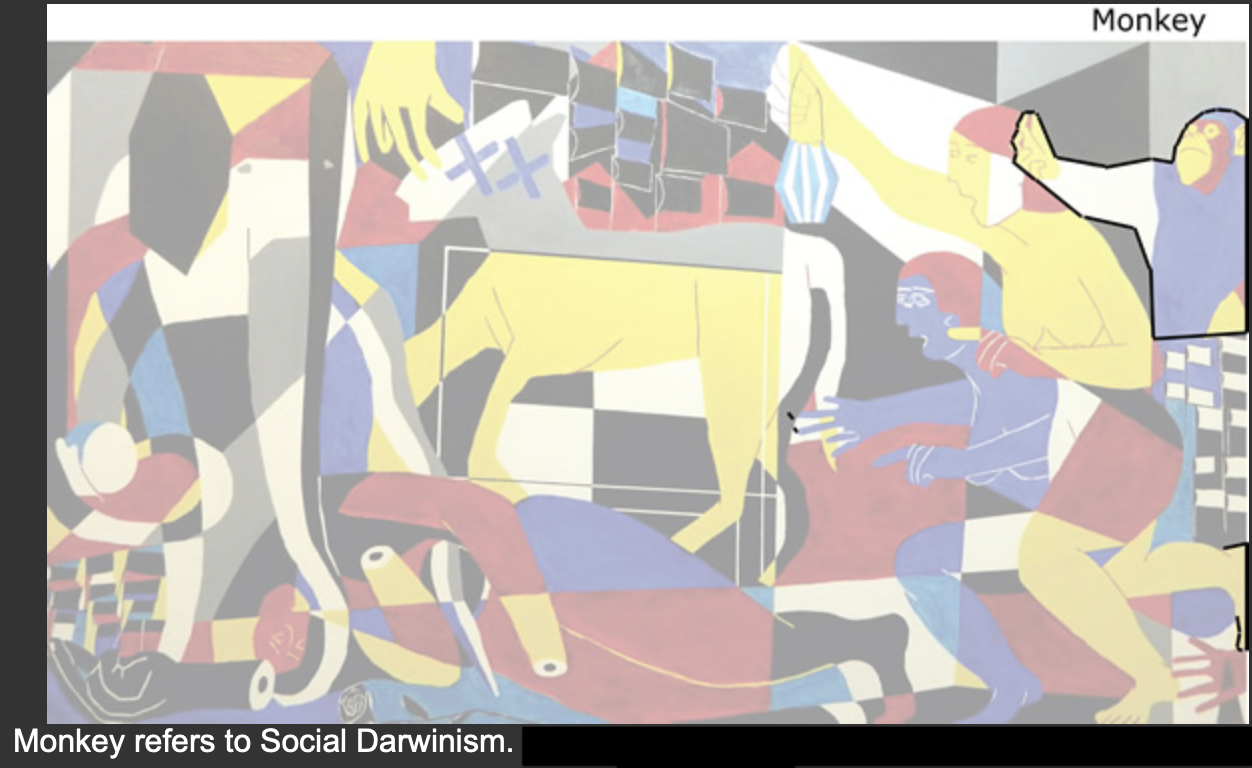
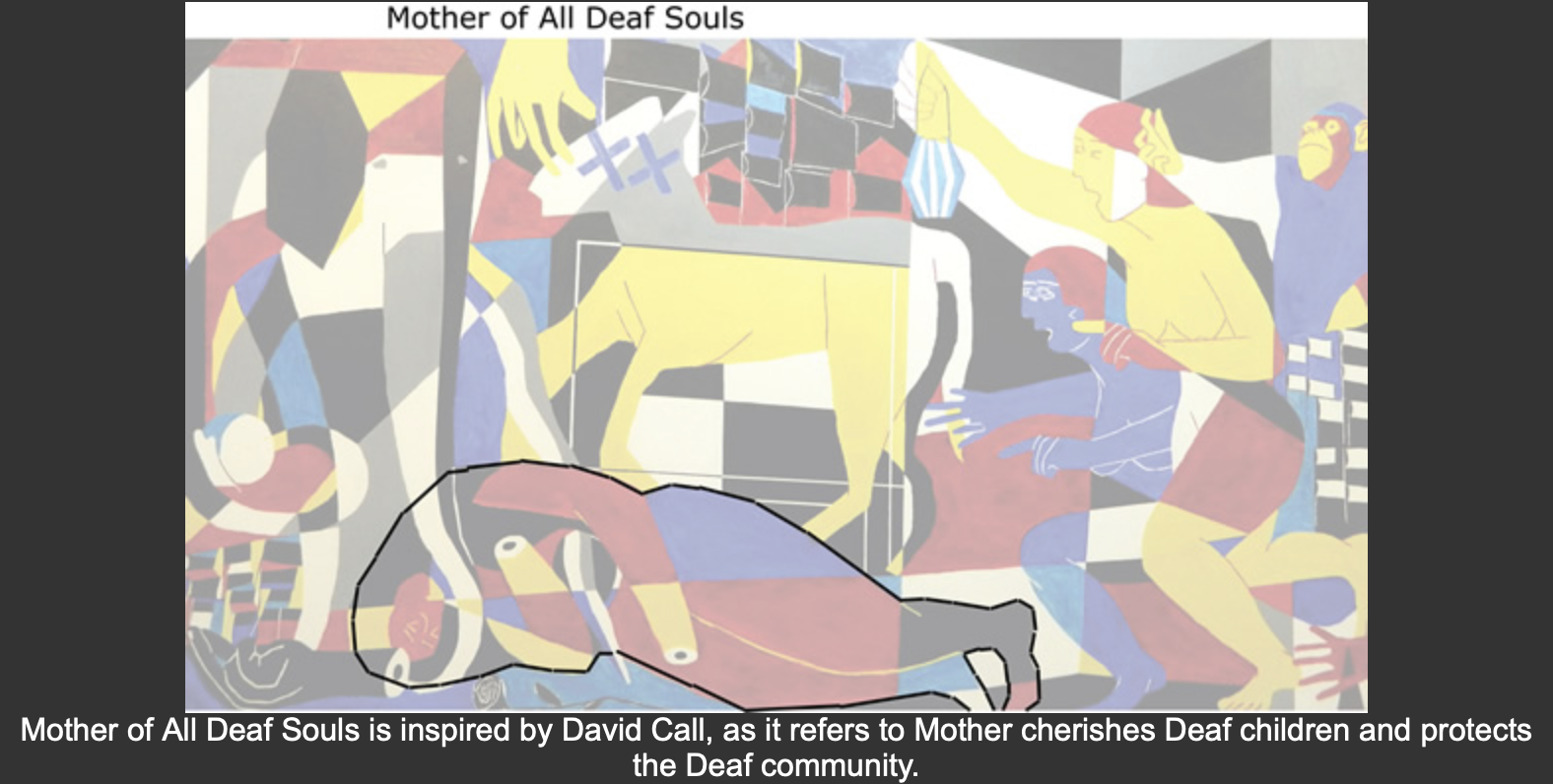
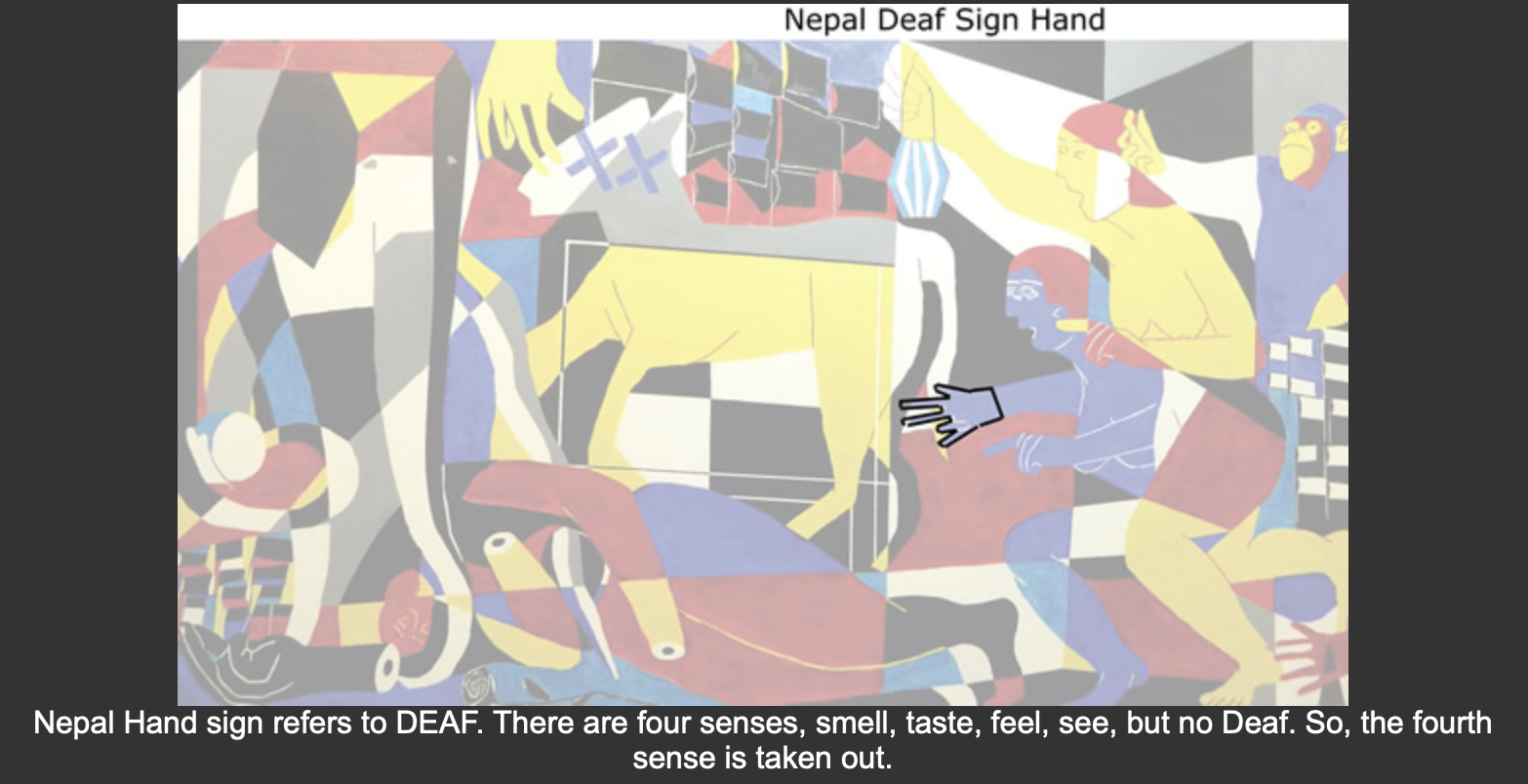
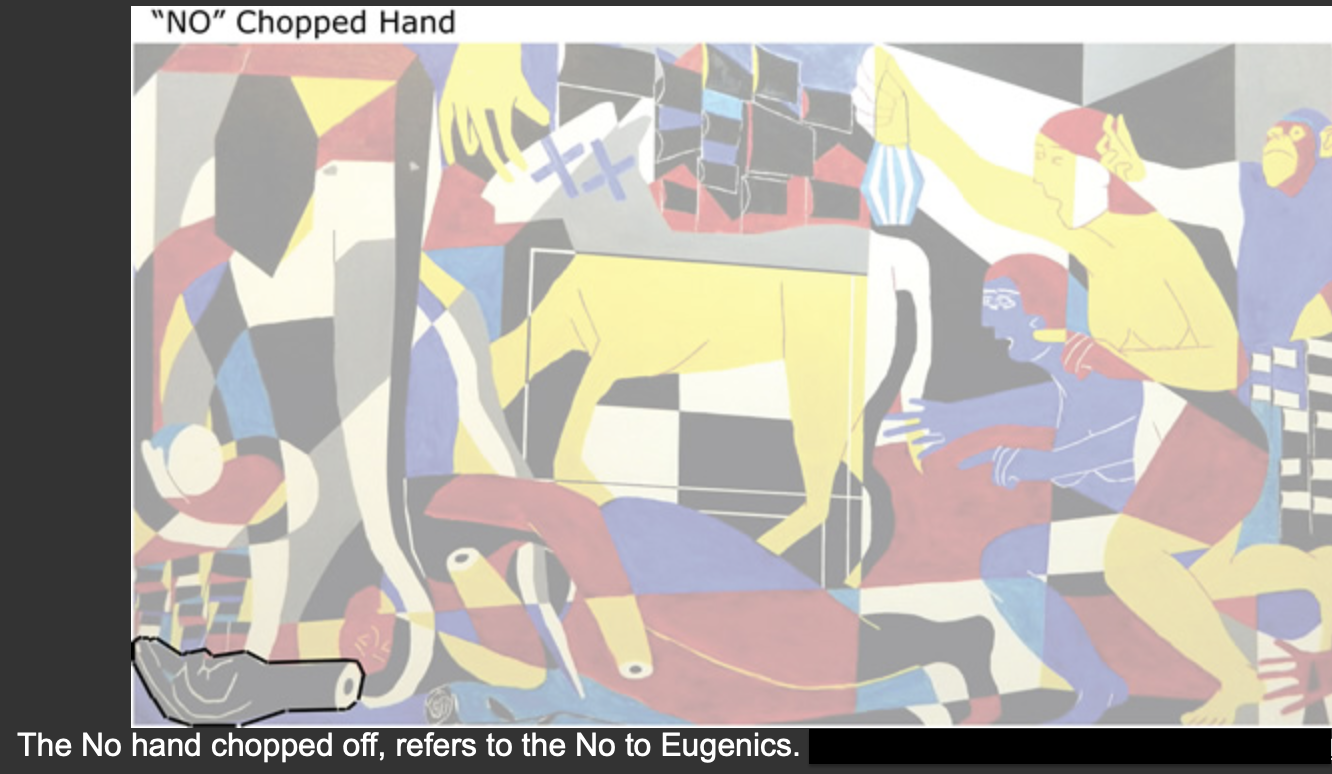
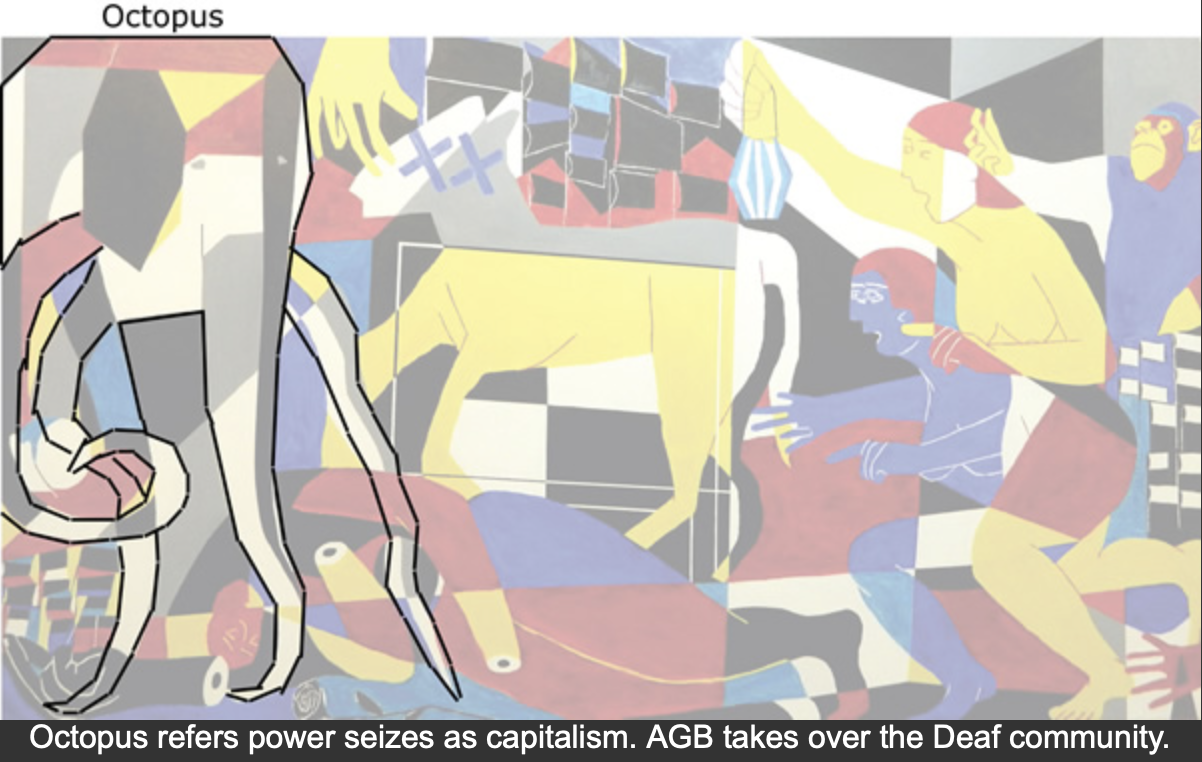
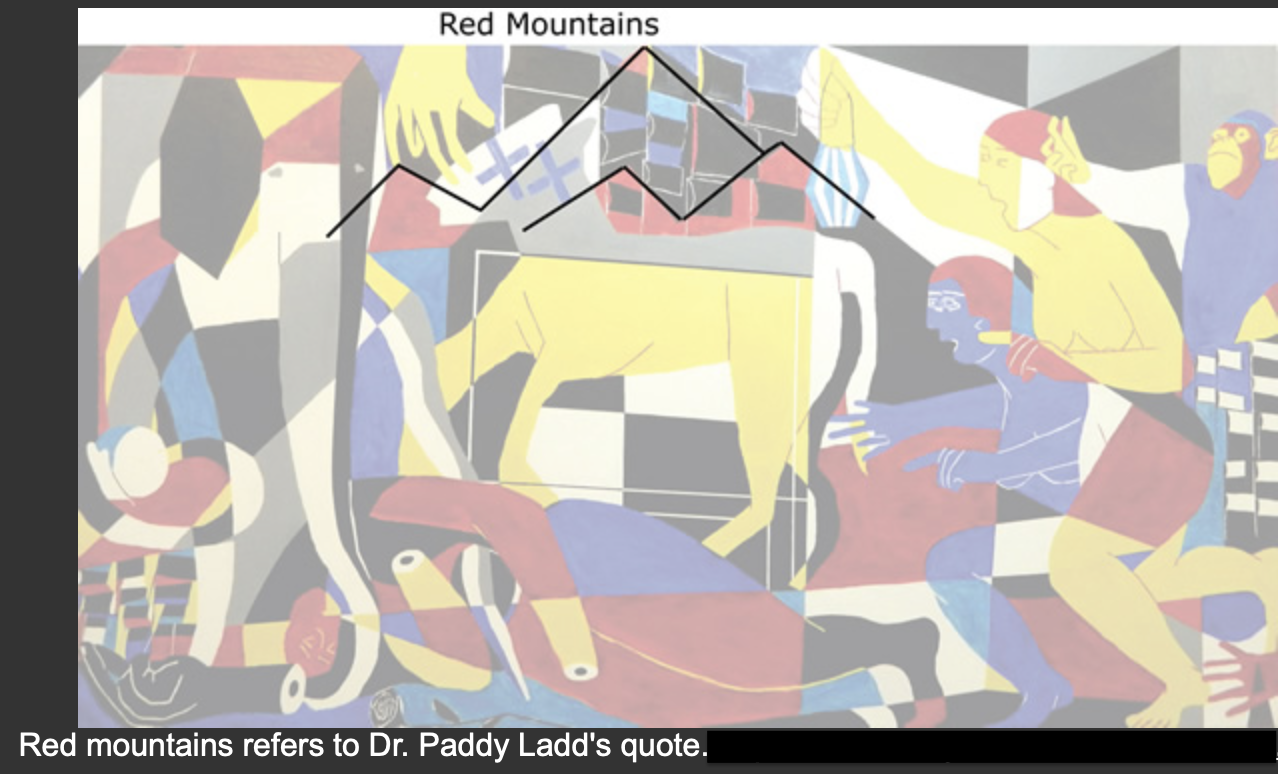
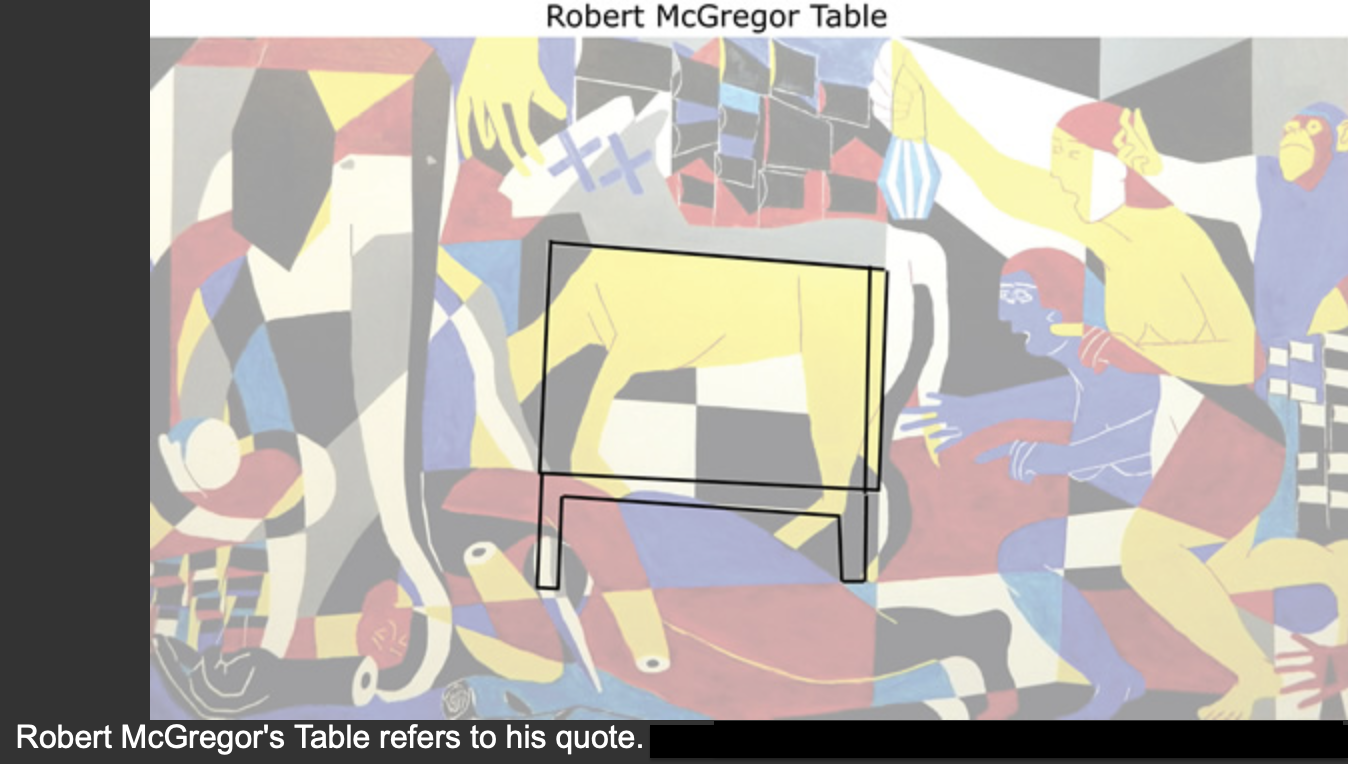
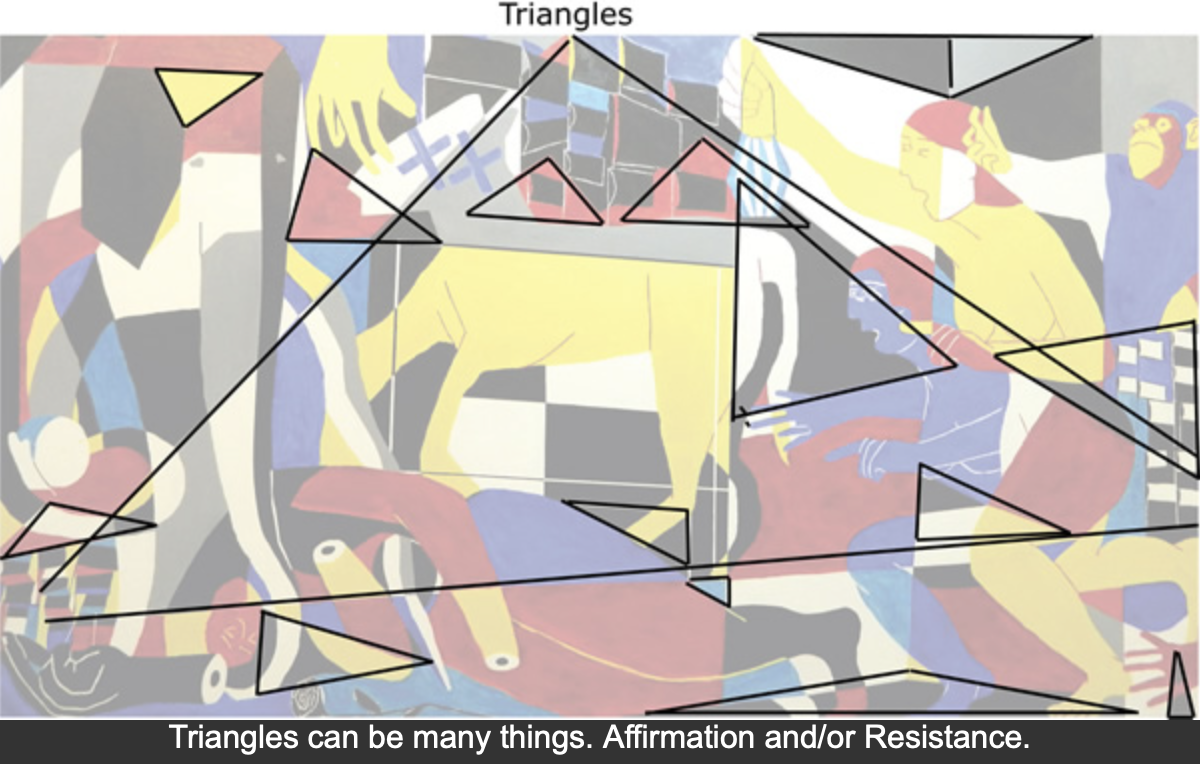
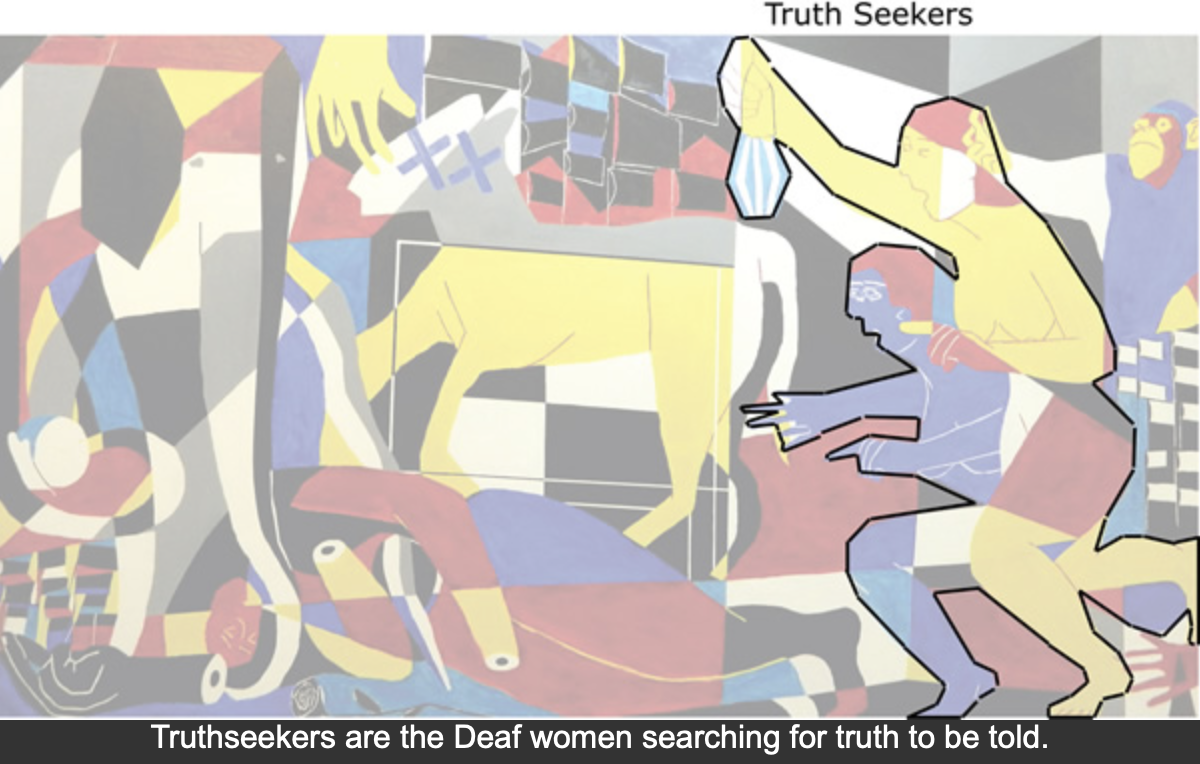
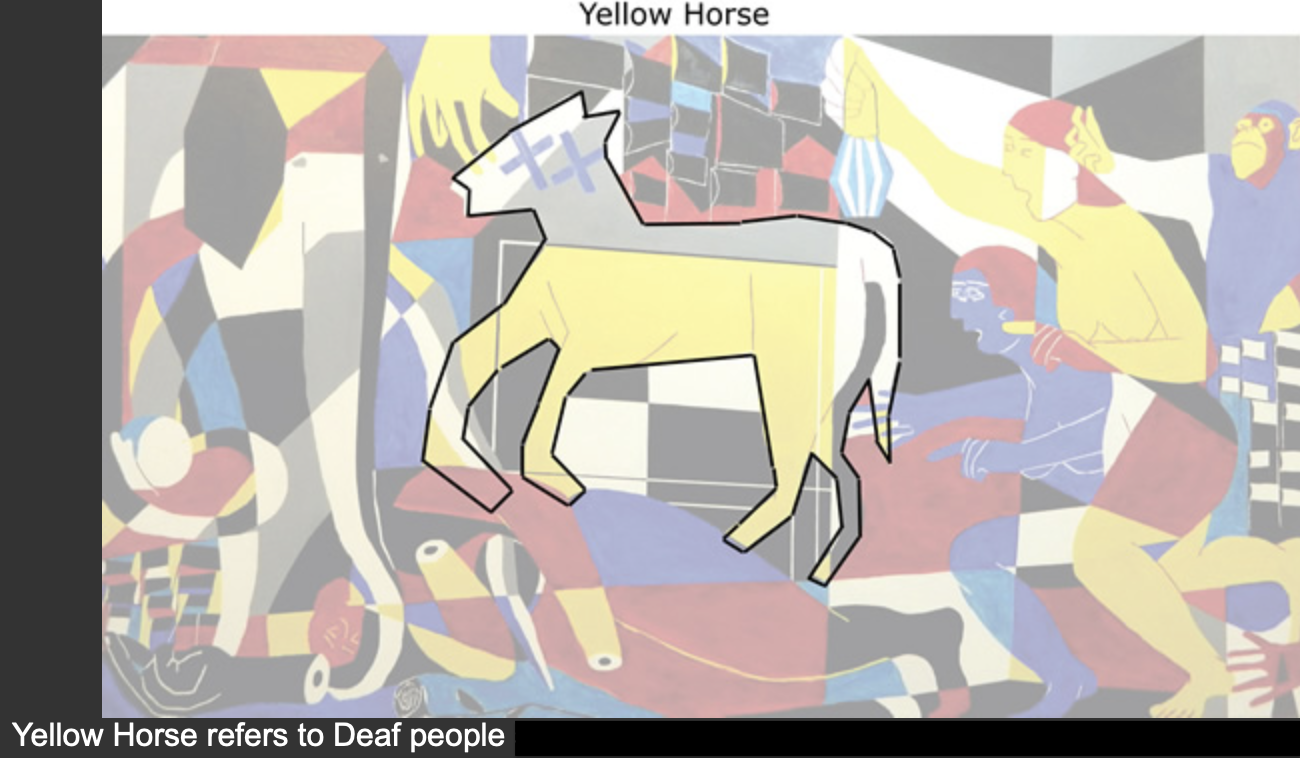
Second Wave of Milan reflects the continuing consequences of that history. Even after 2010, much has happened within Deaf communities around the world. The painting contains 25 motifs, each contributing to a larger story of resistance, survival, and the struggle for Deaf rights.
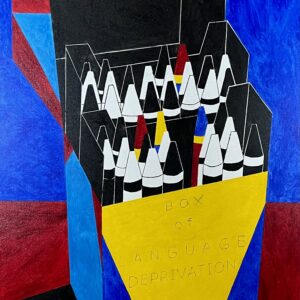
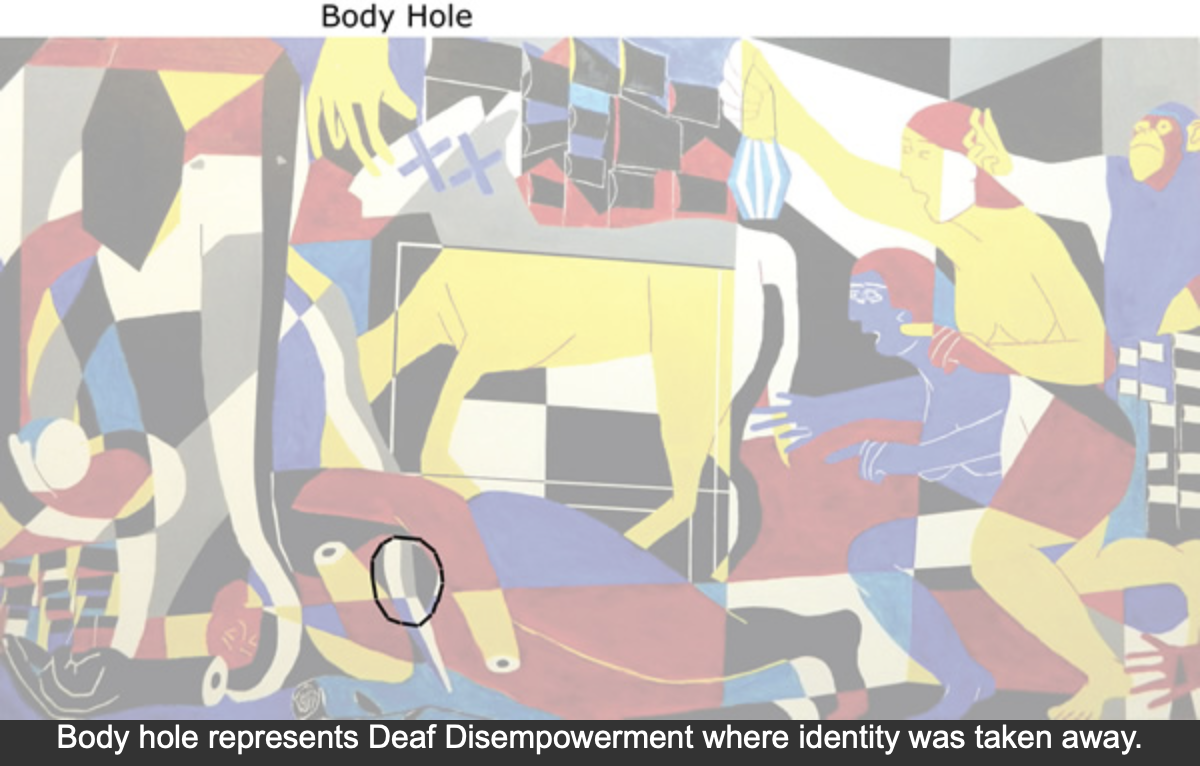
This is a powerful work of resistance art. It addresses language deprivation, the second wave of oralism, Deaf disempowerment, and the ways in which Deaf identity can be threatened or taken away by systems of power and capitalism. Culturally Deaf people continue to struggle for survival while fighting to protect their languages, cultures, identities, and rights. The painting insists that difficult truths must be exposed and confronted.
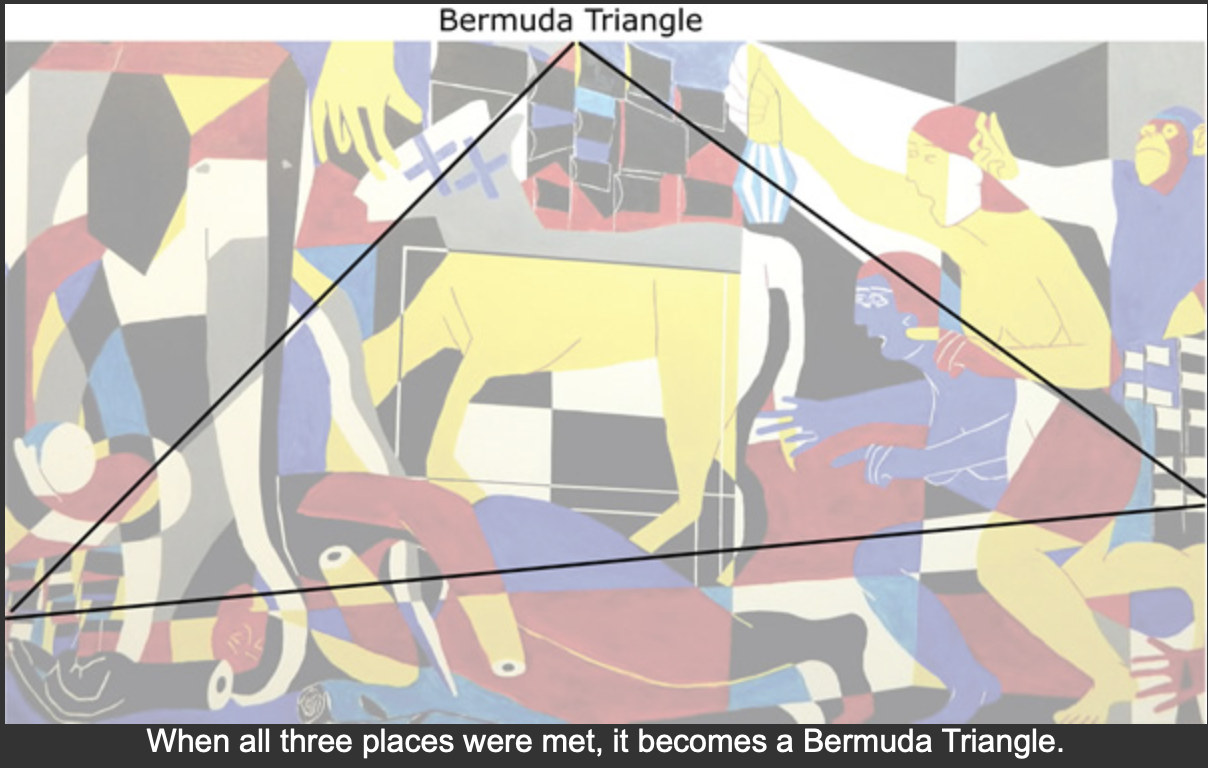
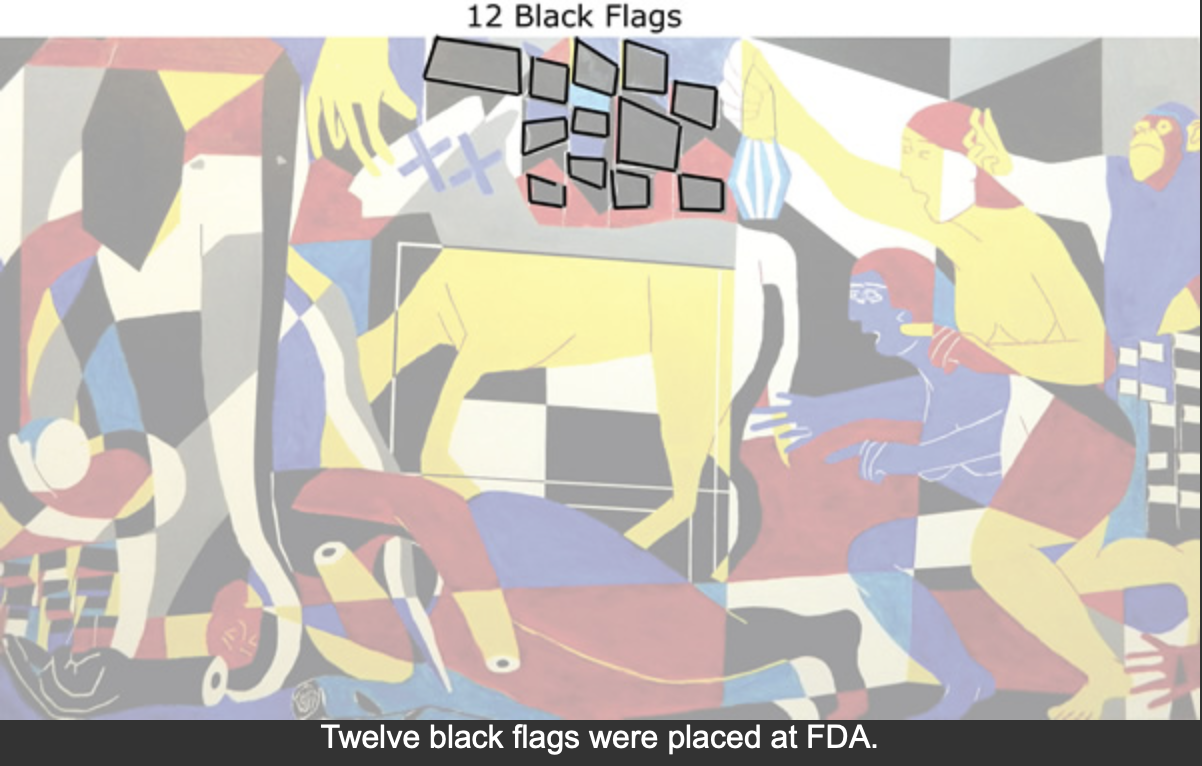
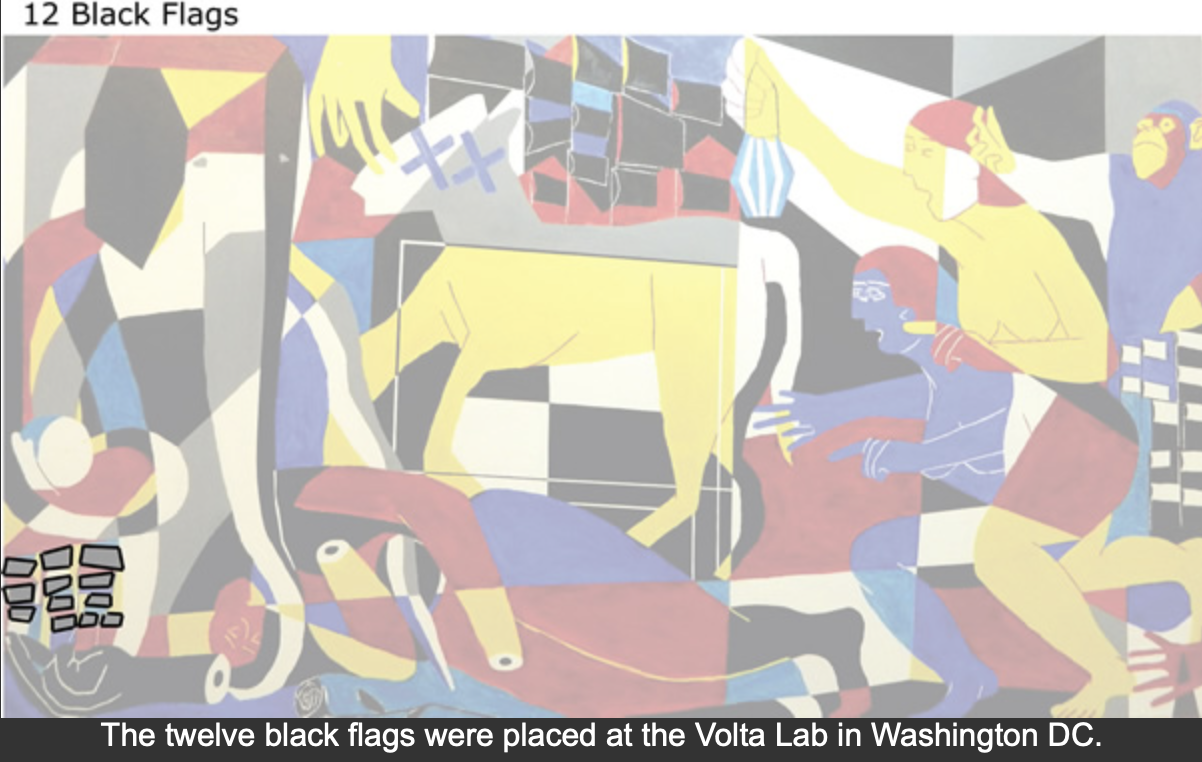
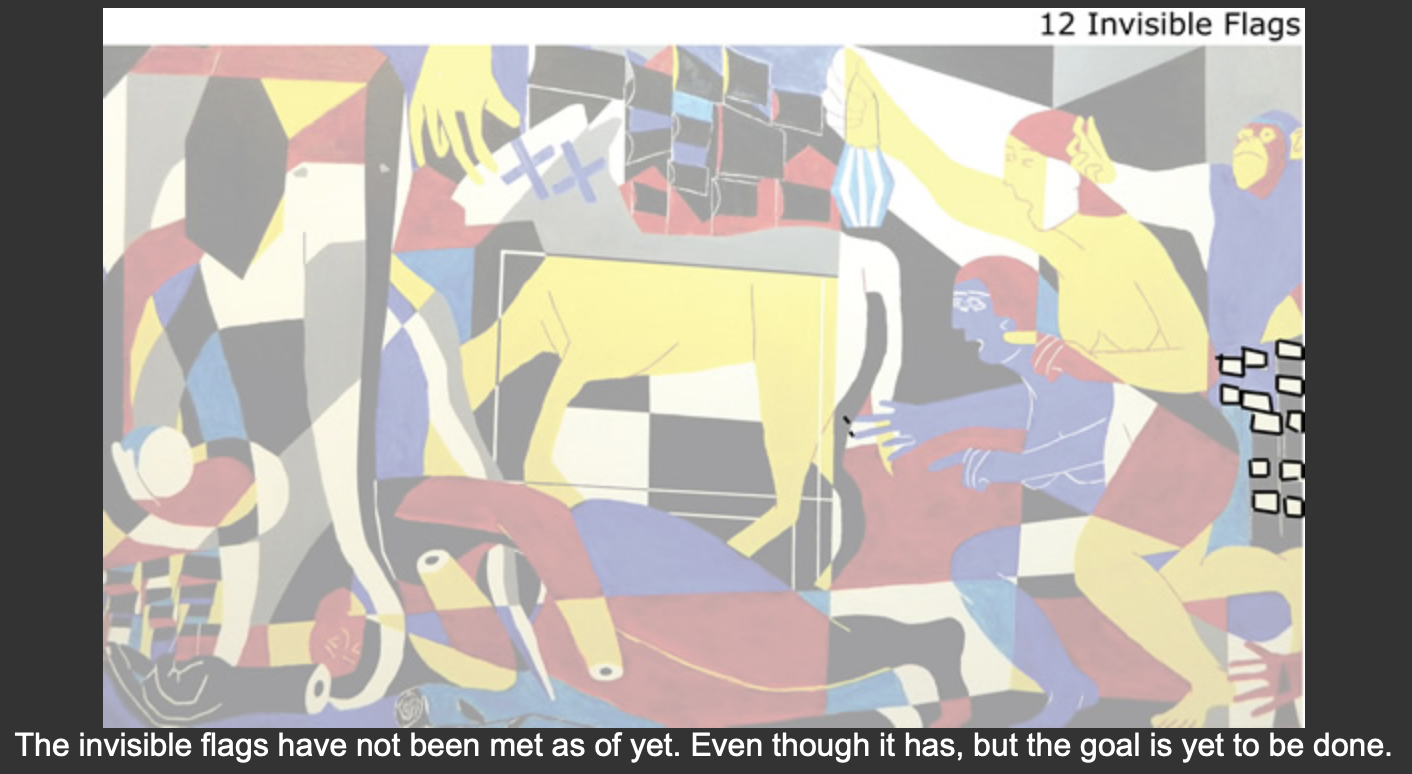
One of the central images is a large triangle resembling the Bermuda Triangle, containing twelve black flags. These twelve black flags represent a tribute honoring the first twelve Deaf children whom I associate with deaths or serious consequences connected to cochlear implant surgeries.
The symbolism of the flags also connects to acts of Deaf activism. A group of ARTivists placed twelve flags at the headquarters of the U.S. Food and Drug Administration (FDA) in Maryland, another twelve flags at the Alexander Graham Bell Volta Laboratory in Washington, D.C., and another twelve flags at the National Institutes of Health (NIH) in Maryland. The flags placed at these locations were white rather than black, representing the idea of something “invisible” or not yet fully recognized.
Someday, the white flags may become black.
Through its many motifs and layers of symbolism, Second Wave of Milan serves as both a historical reflection and a call to action. It remembers the Deaf people who suffered under oralism, confronts the continuing effects of language deprivation, and honors the ongoing resistance of Deaf communities fighting for linguistic and cultural rights.
see Nancy’s vlog: https://youtu.be/u8fJeKX4C3o